How to Choose Running Shoes: A Simple Guide for Beginners

Knowing how to choose running shoes can save you from blisters, sore knees and wasted money. Whether you jog in Ramna Park, on a rooftop or on a treadmill, the right pair should feel comfortable from the first step.
1. Pick the right cushioning
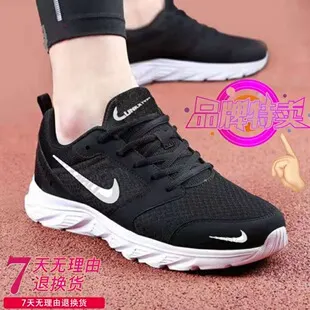
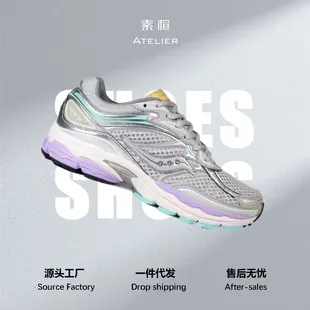
Cushioning absorbs the impact every time your foot lands. Beginners and heavier runners usually feel better in well-cushioned shoes, such as air-cushion or thick foam soles. Experienced runners who want a faster feel may prefer lighter, firmer soles.
2. Get the fit right
- Leave about a thumb's width between your longest toe and the front of the shoe.
- The heel should not slip when you walk.
- The widest part of your foot should sit comfortably, not squeezed.
- Measure your feet in the evening, when they are slightly larger.
Buying online? Use our shoe size chart to convert Chinese EU sizes.
3. Choose breathable uppers
Bangladesh is hot and humid. Mesh or fly-knit uppers let air flow and dry faster, which reduces smell and blisters. Pair them with good sports socks.
4. Check the grip
Roads here can be dusty, wet or uneven. Look for rubber outsoles with a deep pattern and non-slip labels, especially if you run during the monsoon. See also shoes for the rainy season.
5. Weight matters
Lighter shoes feel easier on longer runs. Hold the shoe in your hand: if it feels heavy, it will feel heavier after 5 km.
When to replace running shoes
Most running shoes lose their cushioning after roughly 500–800 km. Replace them when the sole looks flat, the tread is worn, or your legs feel more tired than usual.
Our picks
Browse breathable, cushioned and non-slip pairs in our shoe collection. Prices start from a few hundred taka for everyday sports shoes, with premium cushioned runners for regular joggers. Now that you know how to choose running shoes, pick a pair and start moving!